Beyond Access Logs: Using Kubernetes Audit Events for Runtime Anomaly Detection
K8s audit logs capture API server events — but correlating them with container-level process activity reveals threat patterns that neither source alone can catch.
Engineering-first writing from the Kubesentry team. Detection mechanics, architecture decisions, and the operational realities of running Kubernetes in production.
K8s audit logs capture API server events — but correlating them with container-level process activity reveals threat patterns that neither source alone can catch.
Image scanning and SAST are table stakes. But the threat surface after your container starts running is where shift-left tools go silent.
Security teams write policies. SREs get paged at 2 AM when something breaks. The convergence of those two roles is reshaping how runtime incidents get detected and resolved.
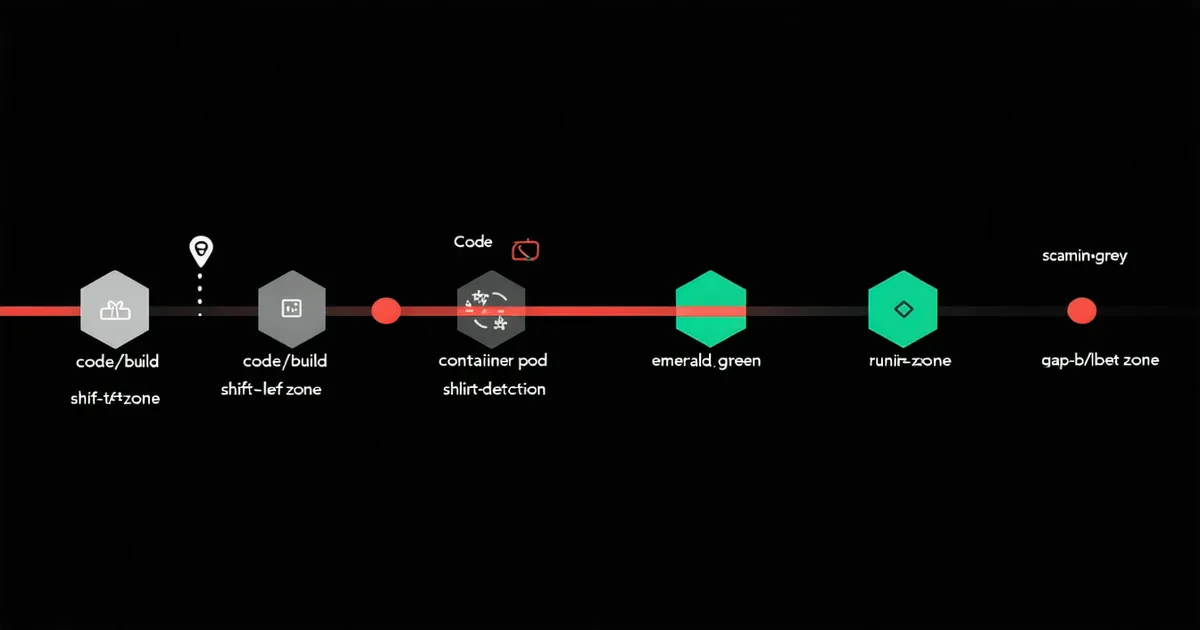
Most teams nail the build layer. Some get the deploy layer. Almost nobody has full runtime coverage. This guide maps all three and shows where the gaps live.
A compromised deployment can become a mining rig within minutes. The tell-tale signs are detectable at the kernel level if you're watching for them.
Falco is exceptional for teams who want to own their detection pipeline end-to-end. Kubesentry builds on top of that with managed policy engine and routing. An honest comparison.
Container escapes are among the highest-severity K8s runtime threats. eBPF lets you catch the syscall patterns that signal escape attempts in real time.
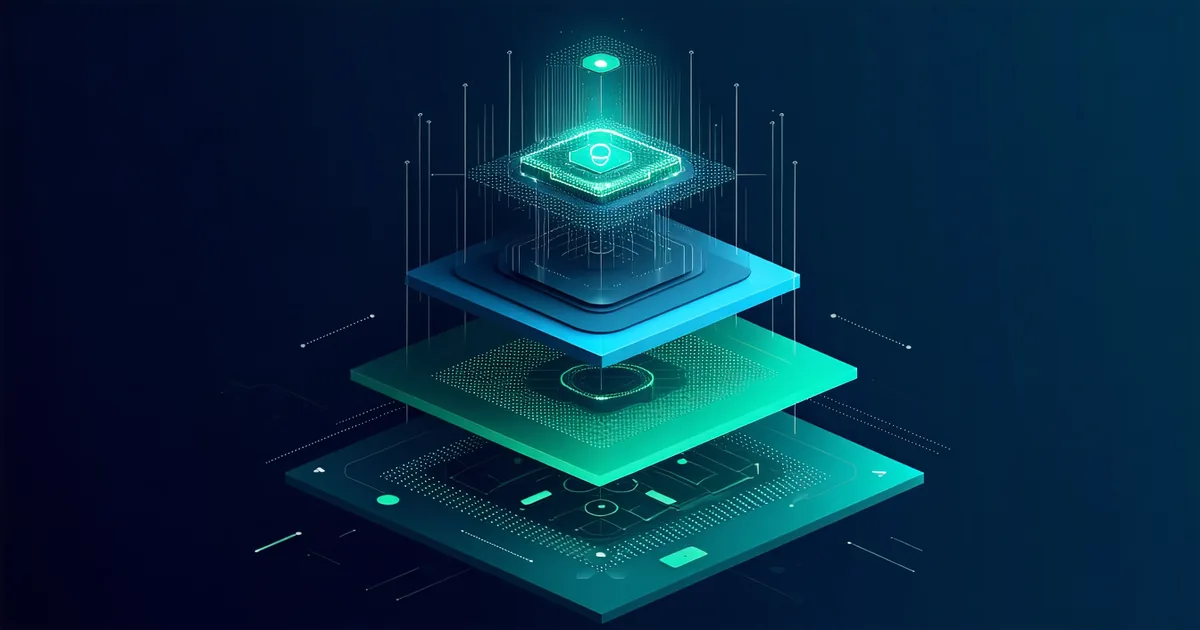
Before eBPF, runtime security meant kernel modules (fragile) or sidecar agents (overhead). eBPF changed the equation: full syscall visibility, zero overhead to your application.
Detection engineering deep-dives, K8s security guides, and changelog announcements. No marketing.